Coloring Book - Back to School: A Fresh Start for Creativity and Learning
There is something quietly powerful about a fresh coloring book. The crisp pages, the clean outlines, the promise of something new. When that coloring book carries a Back to School theme, it taps into a moment of transition that resonates with children and adults alike. For parents, educators, and creative professionals, the idea of combining the structure of school readiness with the freedom of artistic expression is not just nostalgic — it is increasingly practical. The concept of a coloring book centered on returning to school has evolved far beyond simple entertainment, becoming a meaningful tool for preparation, emotional regulation, and skill development.
Why Back to School Coloring Books Matter More Than You Think
Returning to school after a long break can stir a mix of emotions in children: excitement, anxiety, curiosity, and sometimes reluctance. A Coloring Book - Back to School offers a gentle way to navigate those feelings. The familiar act of coloring provides a sense of control and calm, while the themed illustrations — backpacks, buses, classrooms, friends — help children mentally rehearse what lies ahead. This is not simply about keeping a child busy; it is about building familiarity with new routines in a low-pressure, enjoyable way.
For adults, especially those working in education, content creation, or product design, this type of coloring book represents a growing niche where learning and leisure intersect. The demand for purposeful, themed coloring books has risen steadily as more families seek screen-free activities that still feel relevant and engaging. A back-to-school coloring book is not a distraction from learning — it is a gentle preparation for it.
The Quiet Evolution of Coloring Books for Children
Coloring books have been a staple of childhood for generations, but their role has shifted in recent years. Once seen primarily as a way to keep children occupied, they are now recognized for their developmental and emotional benefits. The modern approach to coloring books for children emphasizes more than just staying inside the lines. It encourages choice, imagination, and even storytelling. When a child picks up a coloring book with a school theme, they are not just filling shapes — they are envisioning their own experiences, making decisions about color and composition, and engaging in a quiet form of play that builds focus and fine motor skills.
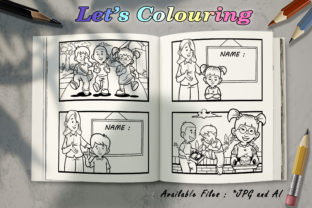
This evolution mirrors broader changes in how we think about childhood development. Parents and educators today are more attuned to the value of unstructured creative time. A coloring book that says Let's Draw and Have Fun is an invitation to explore without pressure. It affirms that creativity is not a separate subject but a natural part of everyday life, including the transition back to school. The shift is subtle but real: coloring is no longer just a pastime. It is a tool for emotional literacy, cognitive development, and even social connection when done in groups.
How Coloring Books Fit Into Modern Workflows and Creative Practices
It may seem surprising to link coloring books with professional workflows, but the connection is more direct than many realize. For educators, a Coloring Book - Back to School can be a versatile resource in the classroom. It works as a morning arrival activity, a quiet time option, or a conversation starter about what children expect from the new school year. Teachers who incorporate these materials into their lesson plans often find that children open up more readily while coloring, sharing thoughts and feelings they might not express in a formal discussion.
For content creators and entrepreneurs, the back-to-school coloring book category offers a steady, repeatable product idea. Unlike seasonal items that come and go, school-themed coloring books have a predictable annual demand. Marketers and bloggers can build content around them — sharing printable pages, reviewing products, or offering tips on how to use coloring as a school readiness tool. The topic fits naturally into broader conversations about parenting, education, and creative living.
Even for professionals outside education or content creation, there is a lesson here. The act of coloring, when approached with intention, mirrors the kind of focused, low-stakes creativity that many adults are seeking in their own lives. The same principles that make a children's coloring book effective — clear structure, room for choice, no pressure to be perfect — apply to adult creative practices as well. The back-to-school theme, while aimed at children, can serve as a reminder that starting something new does not have to be intimidating.
Practical Implications for Parents, Educators, and Creators
Understanding the value of a themed coloring book is one thing; applying it effectively is another. For parents preparing a child for the school year, a Coloring Book - Back to School can be used in several practical ways:
- As a conversation tool: Sit with the child while they color and ask open-ended questions about the scenes they are working on. This can reveal worries or excitement they might not otherwise express.
- As a routine builder: Set aside ten minutes each morning or evening during the week before school starts for coloring. This creates a calm, predictable ritual that eases the transition.
- As a shared activity: Color alongside the child. Your participation signals that this is valuable time, not just busywork, and it models focused attention.
For educators, the practical applications extend even further. A coloring book for children with a school theme can be integrated into the first week of class as a getting-to-know-you activity. It can also serve as a quiet time resource for children who need a moment to regulate their emotions in a new environment. Some teachers use completed pages as a simple classroom display, giving children immediate ownership of the shared space.
For creators and entrepreneurs, the opportunity lies in thoughtful design. A successful back-to-school coloring book balances clarity with room for imagination. Illustrations should be detailed enough to engage but not so complex that they frustrate younger children. Adding prompts or simple activities alongside the drawings — like "draw your favorite thing about school" — can increase the book's value without straying from its core purpose. The phrase Let's Draw and Have Fun is more than a tagline; it is a design principle that guides the entire creative process.
Why This Moment Is Ripe for Purposeful Coloring Books
Several trends have converged to make coloring books more relevant today than they were a decade ago. First, there is a broad cultural shift toward mindfulness and low-tech leisure. Parents and educators are actively seeking alternatives to screen time, and coloring offers a proven, accessible option. Second, the rise of homeschooling and flexible learning models has increased demand for resources that combine education with creativity. A coloring book that helps children prepare for school fits neatly into this landscape. Third, the growing recognition of emotional intelligence in early childhood has led adults to look for tools that support self-expression and reflection. Coloring books, with their open-ended nature, meet that need without requiring specialized training or expensive materials.
At the same time, the market for children's products has become more sophisticated. Parents expect more than simple entertainment; they want products that offer real value, whether developmental, emotional, or educational. A well-designed Coloring Book - Back to School delivers on all three fronts. It acknowledges the emotional weight of starting school, provides a creative outlet, and builds fine motor and cognitive skills in a natural, enjoyable way.
Realistic Recommendations for Getting the Most Out of Coloring Books
If you are a parent or educator looking to use coloring books as part of a back-to-school preparation, start with a few simple principles. First, choose a book with illustrations that reflect your child's actual experiences — a diverse classroom, different modes of transportation, a variety of school supplies. Representation matters, even in coloring books. Second, resist the urge to turn every coloring session into a lesson. The value comes from the child's autonomy, not from achieving a specific outcome. Third, consider the format. A spiral-bound book lies flat and makes coloring easier for small hands. Single-sided pages prevent bleed-through and allow finished pieces to be displayed or shared.
For creators and business owners, the key is to think beyond the coloring book itself. Consider offering complementary content — printable activity sheets, educator guides, or social media prompts that extend the experience. The theme Coloring Books for Children, Let's Draw and Have Fun is inherently shareable. Parents and teachers are always looking for fresh, meaningful content that fits into real life. If you can provide that, you build trust and relevance over time.
For the curious reader or hobbyist, there is a simpler takeaway. Coloring books are not just for children. The back-to-school theme may evoke your own memories, and engaging with it — whether by drawing, coloring, or simply observing a child's process — can be surprisingly grounding. The act of creating something, even within prescribed lines, is a small but meaningful practice in a busy world.
A Lasting Place in the Creative Landscape
The Coloring Book - Back to School is not a fleeting trend. It speaks to a recurring need: helping children navigate change with confidence and creativity. As our understanding of child development deepens and as more adults seek meaningful ways to connect with the young people in their lives, tools like this will only become more relevant. Whether you are a parent preparing a kindergartner for their first day, a teacher designing a welcoming classroom environment, or a creator building a product that families will return to year after year, the coloring book remains a simple, honest, and effective medium. It asks very little — just a willingness to pick up a crayon, to slow down, and to see where the page takes you.
In the end, the message of Coloring Books for Children, Let's Draw and Have Fun is one of permission. Permission to prepare without pressure. Permission to create without judgment. Permission to enjoy the process of starting something new. That is a message worth sharing, whether school is just beginning or the journey is already underway.