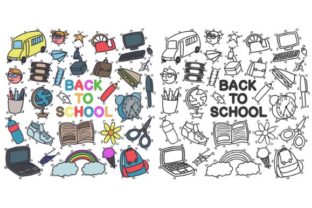
Cute Back to School Doodles
If you have ever watched a child draw a tiny smiling backpack or a stack of books with eyes, you already understand the appeal of cute back to school doodles. These small, whimsical illustrations capture the energy of a new school year without the pressure of polished artwork. For adults between 20 and 50, these doodles are far more than nostalgic scribbles. They have become practical tools for planning, communicating, teaching, and even relaxing. Whether you are a parent helping a child prepare for class, a teacher designing your classroom environment, or a professional looking for a creative outlet, cute back to school doodles offer real value in everyday situations.
At their core, cute back to school doodles are simple drawings with exaggerated soft features. Think round school buses with happy faces, apples with rosy cheeks, pencils that seem to wave, and backpacks that look ready for an adventure. The style is deliberately simple, often using basic shapes and minimal lines. This accessibility is what makes them so useful. You do not need to be an artist to recreate them, and you do not need expensive supplies. A pen and a scrap of paper are enough to start.
Why adults are reaching for doodles again
The return to school season is a hectic time for many adults. Schedules shift, routines restart, and there is a sudden flood of information to process. During this period, many people find that cute back to school doodles serve as a low-pressure creative anchor. Instead of scrolling through a phone during a break, someone might draw a doodle of a lunchbox on a sticky note. It is a small act that provides a moment of calm. Unlike more demanding hobbies, doodling requires no setup, no cleanup, and no expectation of a finished product. It simply exists in the moment.
This kind of casual creativity has a way of making practical tasks feel lighter. A grocery list that includes a doodle of a pencil case is easier to look at than a plain list. A reminder note with a tiny school bus feels friendlier. For adults juggling work and family responsibilities, these small visual touches can turn mundane paperwork into something slightly more enjoyable.
Teachers and classroom planners
For educators in their twenties through fifties, cute back to school doodles are a quiet superpower. They help bridge the gap between adult responsibilities and the energetic world of students. Many teachers use these doodles to create welcome signs, bulletin board borders, and subject labels that feel warm without being childish. A math corner decorated with doodled rulers and calculators feels approachable. A reading nook with tiny doodled books and glasses invites curiosity.
Teachers also use doodles to communicate with younger students who may not yet read fluently. A visual schedule that includes a doodled paintbrush for art class or a soccer ball for gym helps children navigate their day with confidence. These visuals reduce anxiety because they are predictable and friendly. The same principle applies to parent handouts. A newsletter that includes a simple doodle of a school bell or a backpack feels less intimidating and more human than a block of text.
Some educators keep a small notebook specifically for doodling during planning periods. They find that drawing a cute pencil or a stack of books helps them think through lesson ideas more clearly. It is a form of visual brainstorming that bypasses the pressure of perfection. The doodle does not have to be good. It just has to be theirs.
Parents creating routines at home
Parents of school-aged children are another group that naturally gravitates toward cute back to school doodles. The back-to-school season brings a host of organizational challenges, from lunch packing to homework tracking. Parents who embrace doodling often find that it makes these tasks feel more collaborative. A chore chart that includes a doodle of a smiling backpack next to "pack your bag" feels like a shared game rather than an order. A morning checklist with a doodled alarm clock and toothbrush helps children remember steps without nagging.
Many parents also use doodles to connect with their children emotionally. Drawing a cute apple or a school bus together at the kitchen table can open conversations about the school day ahead. It is a low-stakes activity that invites sharing. A child who is nervous about a new teacher might relax while doodling a friendly version of that teacher holding a book. The act of drawing helps externalize feelings in a way that words sometimes cannot.
For parents who work from home or manage busy schedules, doodling also serves as a personal de-stressor. A five-minute break to draw a doodle of a notebook or a pencil case can reset focus. It is a micro-habit that costs nothing and requires no special environment.
Office workers and professional settings
Cute back to school doodles are not limited to homes and classrooms. Adults in professional environments have found creative ways to integrate them into their work lives. Consider someone working in human resources during onboarding season. A welcome packet that includes doodled arrows, check marks, or tiny graduation caps feels more approachable than a standard corporate document. It signals that the company cares about the human experience, not just the paperwork.
Project managers and team leads sometimes use doodles in meeting notes or whiteboard sessions. A doodle of a clock or a deadline with a friendly face can soften the stress of a tight schedule. Digital note-taking apps make this easy. A stylus and a tablet allow users to insert cute back to school doodles directly into notes, adding personality without clutter. These small touches can improve team morale because they show that the person behind the notes is a real human being with a sense of humor.
There is also a growing community of adults who use doodles for social media content. A LinkedIn post about returning to learning might feature a doodle of a book with a smile. An Instagram story about a professional development course could include a doodled diploma. These visuals stand out in crowded feeds and invite engagement because they feel personal and authentic.
Journaling and personal reflection
Bullet journaling and creative journaling have become popular among adults in their twenties, thirties, and forties. Cute back to school doodles fit naturally into this practice. A weekly spread might include a doodle of a bell for school events or a stack of books for reading goals. A mood tracker could feature tiny backpacks in different colors to represent daily energy levels. The flexibility of these doodles allows journalers to create visual systems that are meaningful to them.
For adults who journal as a form of stress management, doodling itself becomes part of the process. Drawing repetitive shapes like pencils, binders, or lunchboxes can be meditative. The familiarity of these objects ties the journaler to a season of new beginnings, which can be motivating even outside of academic contexts. A person who is starting a new job or learning a new skill might use back-to-school imagery symbolically in their journal. The doodle becomes a reminder that growth is ongoing.
Content creators and small business owners
Small business owners and content creators often look for ways to make their materials visually cohesive without hiring a designer. Cute back to school doodles offer a consistent, cost-effective solution. A tutor advertising services could use doodles in their flyers or social media graphics. A store selling school supplies could create digital stickers featuring doodled pens and notebooks. A blogger writing about back-to-school tips could use doodles as section dividers or pull quotes.
The charm of these doodles lies in their imperfection. They do not try to be realistic or polished. This makes them accessible for people who may not have formal design training. A small business owner can sketch a doodle on a napkin, photograph it, and use it in a post. The audience responds to the handmade quality. It feels genuine and relatable, which builds trust.
There are also digital resources available for those who prefer not to draw from scratch. Many apps and websites offer libraries of cute back to school doodle elements that can be combined and customized. This allows creators to maintain a consistent visual style without spending hours on art. The key is to choose resources that are flexible enough to fit different contexts, from emails to product labels.
Common considerations before jumping in
While cute back to school doodles are versatile, there are a few practical things to keep in mind. First, the audience matters. Adults using doodles in professional settings should gauge the culture of their workplace. A startup might welcome doodled notes, while a law firm might prefer a more traditional approach. Context is everything.
Second, the medium affects the outcome. Pen doodles on paper have a different feel than digital doodles on a tablet. People who plan to use doodles regularly might want to experiment with both and see which feels more natural. A simple ballpoint pen and a sticky note can be just as effective as a fancy drawing app. The goal is consistency, not complexity.
Third, there is a difference between using doodles as tools and expecting them to solve deeper communication problems. A doodle can make a message friendlier, but it cannot replace clarity. If a note or document is confusing, adding a cute backpack will not fix it. The doodle works best when the content is already solid.
Finally, some users worry about the quality of their drawings. This concern usually fades after a few attempts. The charm of a doodle is exactly that it looks handmade. A crooked line or an uneven smile adds personality. Trying to make a doodle perfect defeats its purpose. Letting go of that expectation is part of the enjoyment.
Strengths and honest limitations
The greatest strength of cute back to school doodles is their low barrier to entry. Anyone can do them with whatever materials are available. They are cheap, fast, and forgiving. They also carry a positive emotional association for many people, which makes them effective in stressful situations. A doodle of a friendly pencil can diffuse tension in a way that a typed memo never can.
On the other hand, doodles have limits. They are not suitable for conveying complex information. A flow chart or technical diagram cannot be effectively replaced by a cute doodle. They also rely on the viewer being in a receptive mood. Someone who is frustrated or in a hurry may not appreciate a whimsical drawing. There is also the risk of overusing the same motifs, which can make the doodles feel repetitive. Variety helps keep them fresh, even within a limited theme.
Another limitation is that not everyone finds doodling easy or enjoyable. For some adults, the act of drawing triggers self-criticism. They may compare their doodles to others and feel discouraged. In these cases, using pre-made doodle stickers or templates can provide the same benefits without the creative pressure. The important thing is to find a method that feels sustainable for the individual.
Making the most of doodles in real life
The most effective use of cute back to school doodles comes from integrating them into existing habits rather than creating new ones. Adding a doodle to a note you already write, a list you already make, or a document you already prepare takes minimal time but has an outsized impact. Over time, these small visual cues build a sense of warmth and continuity. They become part of how you communicate, not an extra task on your to-do list.
For adults navigating the busy back-to-school season, doodles are a reminder that creativity does not have to be separate from daily life. It can live inside a shopping list, a lesson plan, a meeting agenda, or a morning routine. The pencil you doodled on your calendar is not just a pencil. It is a tiny signal that you are showing up with intention, even on the chaotic days. And that is worth keeping a pen handy for.