Rule Preschool Back to School: A Practical Guide to Digital Cut Files for Classroom and Craft Projects
Preparing for a new preschool year often involves more than buying supplies and labeling lunchboxes. Many parents, teachers, and crafters look for creative ways to mark the occasion—whether through custom clothing, classroom decorations, or personalized keepsakes. Digital cut files have become a popular solution for those who want professional-looking results without hiring a designer. Among the options available, Rule Preschool Back to School and Rule Preschool Back to School Apple are two file sets that have drawn attention for their versatility and clean design. Understanding what these files offer, how they compare with other formats, and when they fit your project can help you make a more informed choice.
What Is Rule Preschool Back to School?
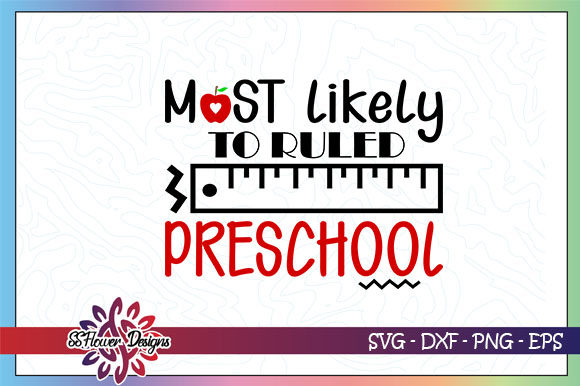
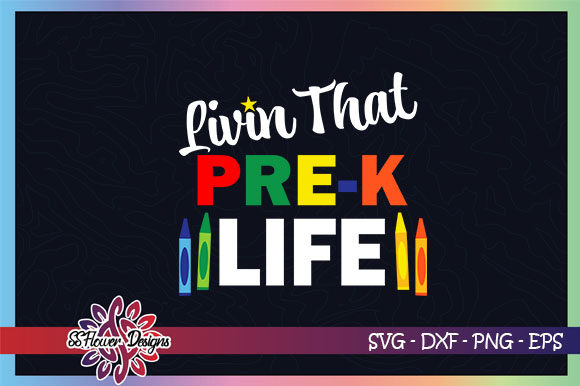
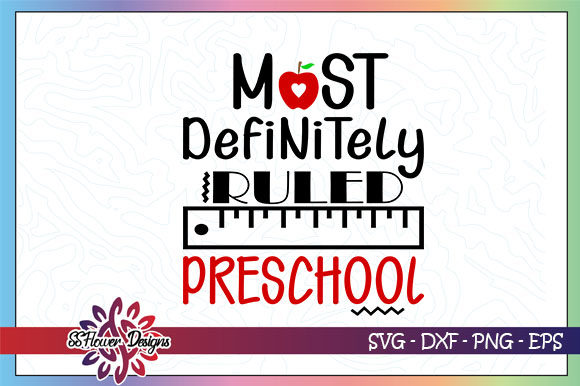
Rule Preschool Back to School is a digital illustration package designed specifically for preschool-themed back-to-school projects. The files are provided in multiple editable formats, including SVG, PNG (300 PPI), DXF, and EPS. This range of formats means the files can be used with a variety of cutting software, such as Cricut Design Space, Silhouette Studio, Sure Cuts A Lot, and Canvas. The design itself typically features playful preschool imagery—think school buses, crayons, toys, or a chalkboard feel—with the phrase "Rule Preschool" as a central element. The Rule Preschool Back to School Apple variant adds an apple motif, a classic symbol of learning and school.
Because these are digital files, you receive nothing physical in the mail. Instead, you download a compressed Winzip folder containing all the format versions. After unzipping, you can open the file in your preferred cutting or editing software. The files come without watermarks, so your final output is clean and ready for use.
What Makes These Files Distinct
Several features set this product apart from generic clip art or ready-made iron-on transfers. First, the files are editable. You can resize, recolor, or combine elements to fit your specific project. This flexibility is particularly valuable if you are creating items for multiple children or want to match a classroom theme. Second, the 300 PPI resolution on the PNG file ensures sharp prints even at larger sizes, which matters if you plan to use the design on a tote bag, a poster, or a large glass pane. Third, the inclusion of both SVG and DXF formats means compatibility with a wide range of cutting machines—so you are not locked into one brand or software ecosystem.
Another distinction is the apple variant. While the base design might appeal broadly, the apple version offers a more traditional school symbol. If you are creating items for a teacher gift, a classroom door sign, or a first-day-of-school photo prop, the apple motif can feel both timeless and specific. Having both options in one package gives you creative flexibility without needing to purchase separate files.
How Rule Preschool Back to School Compares with Other Digital Craft Options
When evaluating digital cut files, it helps to understand the broader landscape. Not all files are created equal, and the best choice depends on your skill level, equipment, and project goals.
SVG vs. PNG vs. DXF vs. EPS: What Each Format Brings
Many crafters are familiar with SVG files because they scale cleanly and work well with cutting machines. Rule Preschool Back to School provides an SVG, which is ideal for cutting vinyl, cardstock, or iron-on material. The PNG version, at high resolution, is better for digital printing—such as creating stickers, labels, or fabric transfers that require full color and shading. The DXF format is useful if you use older or more specialized cutting software that prefers this format. The EPS file is a vector format that can be opened in professional design programs like Adobe Illustrator or CorelDRAW, making it suitable for users who want to modify paths or create complex layered designs.
Having all four formats means you are not forced to convert files yourself. Conversion can sometimes introduce errors, such as missing paths or misaligned layers. With this package, you simply choose the format that matches your workflow.
Ready-Made Transfers vs. Digital Files
An alternative to digital cut files is purchasing ready-made iron-on transfers or printed decals. Ready-made options are convenient: you peel, place, and press. However, they come with limitations. You cannot customize the size beyond what is offered, you cannot change colors to match a specific palette, and if you need multiple copies (for a class set of shirts, for example), the cost can add up quickly. Rule Preschool Back to School, like other digital files, requires you to do the cutting and weeding yourself. That takes time and a steady hand, but it also allows you to produce as many copies as you want from a single purchase, at a fraction of the per-item cost. For a teacher creating gifts for classroom volunteers or a parent making matching shirts for siblings, this tradeoff often favors the digital route.
Subscription Services vs. One-Time Purchase
Some crafters subscribe to design platforms that offer thousands of SVG files for a monthly fee. These services can be cost-effective if you need many different designs throughout the year. However, if you only need a preschool back-to-school design for a single season, a one-time purchase like Rule Preschool Back to School makes more financial sense. You pay once and own the file forever, with no recurring charges. The tradeoff is that you do not gain access to a library of other designs. If you are someone who only crafts for specific occasions, a targeted purchase is often the right fit.
Strengths and Limitations of Rule Preschool Back to School
No single product is perfect for every project. Understanding where these files excel—and where they may fall short—helps you decide if they are right for you.
Strengths
- Format flexibility: With SVG, PNG, DXF, and EPS included, you can use the file with almost any cutting machine or design software. This reduces the risk of incompatibility.
- High-quality resolution: The 300 PPI PNG ensures that any printed output remains crisp. This matters for items like stickers, gift tags, or printed banners where pixelation would be noticeable.
- Editable design: You can alter colors, remove elements, or resize the design without losing quality. This is especially useful if you want to match a specific classroom color scheme or combine the design with other elements.
- No watermark: The file you receive is clean. You do not have to worry about removing a watermark or dealing with a low-quality preview.
- Apple variant: Having two design options in one purchase gives you creative range. You can use one for a shirt and the other for a lunchbox label, for example.
Limitations
- Requires cutting software and equipment: If you do not own a cutting machine (like a Cricut or Silhouette) or do not have access to design software that can open SVG or DXF files, the product will not be usable. This is not a plug-and-play item.
- No physical product: You receive only digital files. If you prefer a ready-made transfer or a printed item, you will need to produce it yourself or find a service to do so.
- Compressed folder: The files come in a Winzip archive. If you are unfamiliar with unzipping files, this adds a small technical step. Most modern computers can extract zip folders natively, but it is worth noting.
- No guarantee after alteration: The seller states that there is no guarantee of quality once the design is altered, edited, or converted. If you significantly modify the file—such as converting it to a different format or heavily distorting the proportions—the result may degrade, and you cannot expect a replacement or refund based on those changes.
- Single design file: You receive one file as shown in the photo. The listing does not include multiple poses, multiple sizes, or a full set of preschool elements. If you need a comprehensive collection of back-to-school graphics, you may need to supplement with other purchases.
When Is Rule Preschool Back to School the Right Choice?
This product works best for specific scenarios. Recognizing those scenarios can save you time and frustration.
Ideal Use Cases
- Custom clothing for one child or a small group: If you want to make a first-day-of-school shirt for your preschooler, or for a handful of children in a playgroup, cutting the design yourself from a single file is efficient and cost-effective.
- Classroom decorations: Teachers who want to create a welcome sign, a door banner, or labeled cubbies can use the SVG to cut vinyl lettering or cardstock shapes. The apple variant works particularly well for a classroom theme.
- Gifts for teachers: A customized tote bag, a mug decal, or a framed print featuring the "Rule Preschool" design can make a thoughtful, personalized gift. Because you can edit the file, you can add a teacher name or classroom year.
- Photo props: For back-to-school photos, a large wooden or acrylic sign with the design can be cut from vinyl and applied to a surface. The clean lines of an SVG file ensure the lettering comes out crisp in photos.
- Small batch production for fundraisers: Parent-teacher associations or preschool fundraisers sometimes sell custom merchandise. Having a single high-quality file that can be reproduced multiple times keeps per-unit costs low.
When You May Need Another Option
- You do not own a cutting machine: Without a Cricut, Silhouette, or similar device, the SVG and DXF files have limited use. You could use the PNG for digital printing, but the main value of the product lies in its cutting capabilities.
- You need a massive variety of designs: If you are decorating an entire classroom with dozens of different graphics—alphabet animals, number charts, seasonal decorations—a single file set may not be sufficient. A subscription service or a larger bundle might serve you better.
- You want a fully finished product: If you lack the time or patience for weeding vinyl, aligning transfers, and pressing shirts, a ready-made iron-on or a custom print shop order is a better fit. The digital file requires hands-on labor.
- You need a very specific design not offered: The file is what it is—a preschool "Rule" design with or without an apple. If you want a different slogan, a different theme (dinosaurs, space, ocean), or a different style (watercolor, boho, minimalist), this product will not meet that need.
Factors to Consider Before Purchasing
Choosing a digital cut file involves more than liking the preview image. Here are several decision factors to weigh.
File Format Compatibility
Check which formats your cutting software accepts. Most modern machines handle SVG well, but some older or specialized software prefers DXF. The inclusion of both gives you a fallback. If you primarily use a laser cutter or a vinyl plotter, confirm that the EPS or DXF format is appropriate for your workflow. There is no universal standard, so knowing what works with your setup prevents disappointment.
Design Complexity and Weeding
The phrase "Rule Preschool" may include script fonts or detailed letters. Script designs can be more difficult to weed (removing excess vinyl from around the letters) than simple block fonts. If you are new to cutting vinyl, you may want to see a close-up of the design to assess how many small pieces or narrow spaces are involved. The apple variant may add leaf shapes or stem details that require careful handling.
Intended Surface and Durability
Vinyl applied to clothing needs to withstand washing. If you plan to iron the design onto a t-shirt, consider the quality of your vinyl and the application instructions. The file itself does not dictate durability, but the intricacy of the design affects how well it holds up over time. For glass panes or mugs, permanent vinyl is usually required, and the design should be sized appropriately to avoid peeling at edges.
Licensing and Usage Rights
Digital cut files often come with specific licensing terms. While Rule Preschool Back to School is sold for personal use, some sellers also offer commercial licenses. If you intend to sell items made with the file, verify the terms before purchasing. This is especially relevant for fundraisers or small businesses. The article does not specify commercial rights, so you may need to contact the seller if that is your plan.
Resolution and Print Quality
For printed applications (stickers, labels, card inserts), the 300 PPI PNG is sufficient for most home printers. However, if you plan to print at very large sizes—such as a 24x36 inch poster—vector formats (SVG or EPS) are better because they can scale infinitely. The PNG at 300 PPI will work up to about A3 or tabloid size before pixelation becomes visible. For wall murals or large banners, stick to the vector files.
Practical Examples of Use
To illustrate how these files function in real projects, consider three common scenarios.
Scenario 1: A mother wants matching shirts for her two preschoolers on the first day of school. She purchases Rule Preschool Back to School Apple, unzips the folder, and opens the SVG in Cricut Design Space. She adjusts the size to fit size 4T and size 5T shirts, cuts the design from red and green vinyl (to match the apple theme), weeds the letters, and applies them with a heat press. The entire process takes less than an hour, and the shirts look cohesive without requiring separate designs for each child.
Scenario 2: A preschool teacher wants a welcoming door sign for her classroom. She opens the EPS file in Adobe Illustrator, changes the color from the default to match her classroom palette (soft blue and yellow), and adds her name beneath the "Rule Preschool" phrase. She exports a new SVG and cuts the design from adhesive vinyl, then applies it to a painted wooden sign. The editable nature of the file allows her to personalize it without learning advanced design skills.
Scenario 3: A parent wants to create photo booth props for a back-to-school party. They use the PNG version, print the design on sticker paper at 300 PPI, and attach it to wooden sticks. Because the PNG is high resolution, the printed letters are sharp, and the vibrant colors hold up well in party photos. For props, the quick print-and-cut approach is more practical than vinyl, and the included PDF or EPS is not needed for this simple project.
Making an Informed Decision
Rule Preschool Back to School offers a practical, flexible solution for anyone who already owns a cutting machine and wants a clean, editable preschool-themed design. Its multiple formats, high resolution, and apple variant give it an edge over simpler single-format files. However, it is not a universal answer. If you lack the equipment, prefer ready-made items, or need a broader collection of graphics, you will want to explore other options.
The key to satisfaction lies in matching the product to your project's demands. Ask yourself: Do I have the tools to use a cut file? Am I comfortable with weeding and applying vinyl or transfer material? Do I need only this specific design, or do I require a set? How important is the ability to edit colors and size? By answering these questions, you can determine whether Rule Preschool Back to School or Rule Preschool Back to School Apple fits your back-to-season plans—or whether another format or approach will serve you better.
Digital crafting offers a rewarding blend of creativity and practicality. With the right file in hand, a preschool "rule" design can become a shirt, a sign, a sticker, or a keepsake that marks the start of a new school year in a personal, memorable way.