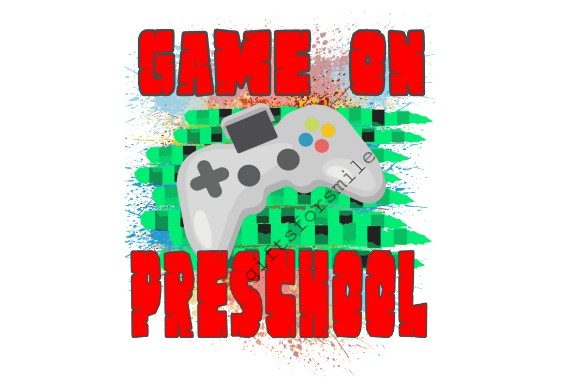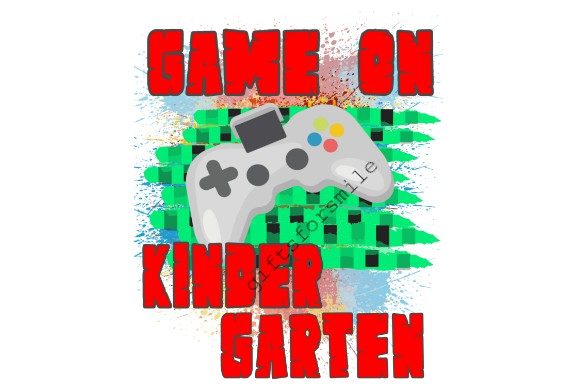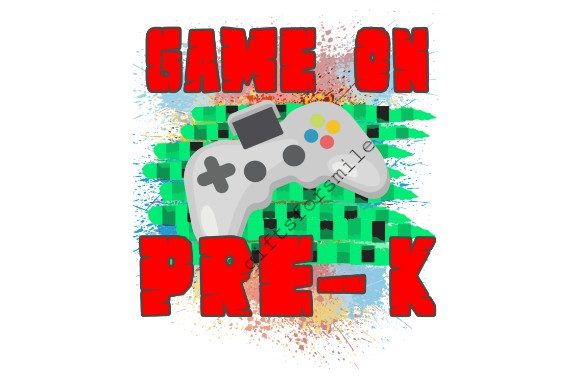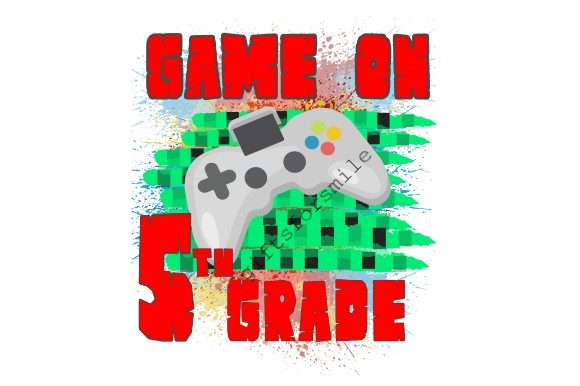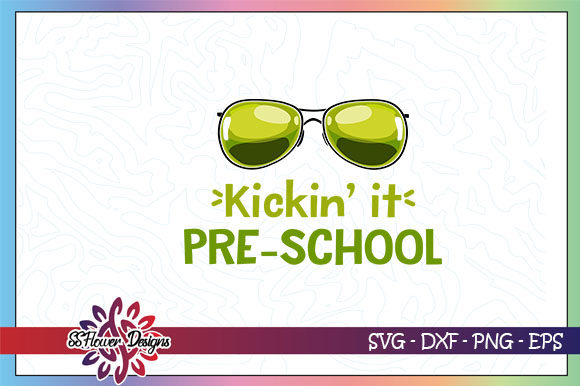
Kickin It Pre-school, Back to School
When preparing a preschool classroom, launching a back-to-school promotion, or creating a consistent brand for an early childhood program, the details matter. The difference between a generic, forgettable sign and one that parents smile at often comes down to the quality and flexibility of the design assets you use. Kickin It Pre-school, Back to School provides a collection of digital illustrations that are more than just cute graphics; they are a tool for crafting a cohesive visual identity across multiple touch points. This article explores how thoughtful use of these SVG cut files, editable PNGs, and vector formats can support strategic goals such as branding, productivity, and operational efficiency—without wasting time on incompatible or low-resolution resources.
What Kickin It Pre-school, Back to School Offers, and Why It Matters
The product itself is a bundle of digital files: SVG, PNG (300 PPI high quality), DXF, and EPS. These formats are standard for cutting machines like Cricut Design Space, Silhouette Studio, Sure Cuts A Lot, and Canvas. The real value lies in the ability to edit, resize, and repurpose the illustrations without sacrificing clarity. For a small business owner running a preschool, a teacher preparing classroom materials, or a freelancer designing products for clients, having a versatile base file means you can apply it to vinyl for iron-on shirts, cut it for glass etching, or convert it for embroidery. This kind of adaptability saves time and reduces the need to purchase separate designs for different mediums.
Importantly, the files arrive compressed in Winzip, and no watermark is present in the delivered version. The buyer must unzip the folder after download. The design is exactly as shown in the photo, and altering or editing the file may affect quality. Understanding these technical constraints before using the file prevents frustration during production.
Strategic Use Cases for Preschool and Back-to-School Scenarios
The design theme is squarely aimed at the early childhood education space—think playful typefaces, children’s motifs, and messages like “Kickin It Pre-school” and “Back to School.” Below are several ways to deploy these assets strategically.
1. Branding and Positioning for a Preschool Business
For an entrepreneur or small business owner operating a preschool, consistent branding across uniforms, signage, and promotional materials builds recognition and trust. Using the Kickin It Pre-school, Back to School SVG file, you can create iron-on transfers for staff t-shirts, door decals, and even reusable water bottles. The same design in a different format (PNG) can be added to your website, social media graphics, or enrollment flyers. Instead of hiring a designer for each piece, one set of files does the heavy lifting. This not only controls costs but ensures that the look remains cohesive—a subtle signal of professionalism that parents notice.
2. Classroom Preparation and Teacher Productivity
Teachers often spend weekends cutting out letters and shapes for bulletin boards. With a Cricut or Silhouette, the cut–and–file approach changes that. The DXF and EPS formats allow you to import the design into your cutting software and produce multiple copies of the same shape in minutes. For example, you can cut the “Kickin It” phrase from vinyl for a door sign, then reuse the same file to create labels for cubbies, book bins, and art supplies. The time saved translates directly into more energy for lesson planning or direct interaction with children.
3. Promotional Products and Fundraising
If your preschool runs a back-to-school fundraiser, custom items like drawstring bags, aprons, or tote bags featuring the Kickin It Pre-school, Back to School design can become popular merchandise. Because the file is delivered as editable vector and pixel formats, you can scale it up for a large tote or down for a small pencil case without quality loss. Parents appreciate exclusive, high-quality items, and the effort you put into a professional finish reflects well on the program.
Planning Your Approach: What to Consider Before Using the File
Before diving into a project, the smartest first step is to match the file format to your intended output. Not all software reads all formats identically. For instance, Cricut Design Space works seamlessly with SVG, while Silhouette Studio may prefer DXF or EPS. The bundle includes both, so verifying which one your machine requires prevents the frustration of a file that won’t open. Also, note that the file must be unzipped after download; keep that in mind when working on a shared computer or a device with limited extraction capabilities.
Another consideration is the base material. If you plan to iron the design onto fabric, choose a vinyl that bonds well with the garment type and use a heat press or home iron at the recommended temperature and pressure. For glass etching, the SVG cut path will guide your machine, but you may need to adjust the pressure settings for a clean cut on adhesive vinyl stencil material. Testing a small sample first is always wise.
Finally, understand that the quality of the design is guaranteed as delivered, but any alteration—such as adding text, recoloring in a different program, or converting to a new format—can degrade the result. If you need to modify the illustration, work from the original vector (EPS or SVG) and save copies frequently. This preserves the integrity of the artwork and ensures your final product looks intentional.
Risks of Using Digital Designs Without Clear Goals
It is easy to fall into the trap of downloading a cute file and then figure out what to do with it. Without a specific project in mind, the file sits in a folder, unused. More importantly, a lack of planning can lead to format mismatches: for example, using a PNG for a cut file (which requires a vector path) or trying to embroider a design that wasn’t converted to an embroidery format. The product description explicitly states that the files are intended for cutting software, and while you can convert them for embroidery, there is no guarantee of quality after conversion. If your goal is embroidery, you may need to run the EPS through a digitizing program, and the result may require manual cleanup before stitching.
Another risk is overextension—using the same design on too many materials without considering the context. A design that looks playful on a t-shirt might feel out of place on a formal enrollment brochure. Think about where the image adds value and where it distracts. Strategic use means limiting the design to a few high-impact touch points rather than plastering it everywhere.
Practical Examples for Freelancers, Bloggers, and Educators
For a freelancer creating custom party favors for a preschool graduation, the Kickin It Pre-school, Back to School files can be used to produce personalized stickers for favor bags. The 300 PPI PNG works well for printing on sticker paper, while the SVG can be used to cut intricate shapes around the lettering. By offering both a print and a cut version to your client, you demonstrate versatility.
For a blogger writing about back-to-school preparation, you could download the file, cut the design from vinyl, and photograph the process for a step-by-step tutorial. The visual content becomes more engaging when it shows a real project, and the file itself can be linked as a resource for readers. Just remember to obtain the proper license for commercial use if you are selling the finished product or including the file as a digital download.
For a homeschool educator, the design can be used to label binders, create a “School Starts” banner, or make a customized folder cover for each child. The ability to edit the file in a vector program means you can add a child’s name or a specific date, making the item truly personal.
Integrating the File into Your Workflow for Long-Term Value
The most effective users of digital design assets treat them as part of a library. Once you purchase and unzip the Kickin It Pre-school, Back to School bundle, store the files in a logical folder structure: separate by format (SVG, PNG, DXF, EPS) and also by intended use (apparel, decor, paper goods). This small act of organization pays dividends when you need to revisit the design months later for a new event.
Also, consider creating a project sheet that documents the settings you used for different materials. For example, note the blade depth, pressure, and speed that worked for the SVG when cutting adhesive vinyl for glass. If you adjust the design, record the software version and any steps taken. This turns a one-time download into a repeatable resource.
Finally, take advantage of the fact that the design is editable. If your preschool branding evolves, you can change the colors or add a tagline to the original vector file without starting from scratch. Maintaining a master file in EPS or SVG ensures that your brand remains consistent even as you update collateral each semester.
Making the Decision: Is This File Right for Your Project?
Evaluate your immediate needs. If you require a ready-to-cut design that communicates “preschool” and “back to school” in a friendly, modern style, and you have access to a cutting machine and software that accepts SVG, DXF, or EPS, then this bundle is a strategic fit. If your primary output is high-resolution printing for large banners, the 300 PPI PNG is adequate but might need to be enlarged carefully to avoid pixelation. In that case, the vector formats (SVG, EPS) are a better choice because they scale infinitely.
Also, assess your skill level with file editing. The product is delivered as shown, so if you lack experience with vector software, you may be better off using the PNG for straightforward printing. Conversely, if you are comfortable editing paths, the SVG allows for customization. The product description is clear: there is no guarantee of quality after alteration, so proceed with caution if you plan heavy edits.
In the end, the value of Kickin It Pre-school, Back to School lies not in the files themselves, but in how thoughtfully you deploy them. When aligned with a clear purpose—whether that is branding a new classroom, creating merchandise for a fundraiser, or simply saving time on cut-out decorations—these digital illustrations become a multiplier for your effort. The key is to plan before you cut, test before you produce, and keep the overall customer or parent experience in mind. Doing so turns a simple SVG into a strategic asset that supports your preschool’s communication, creativity, and operational goals.