Back to School T‑rex: Integrating Dinosaur Designs into Your Crafting and Classroom Workflow
Digital design files have become a staple for anyone who creates physical products, whether you are a teacher preparing classroom decor, a small business owner making custom apparel, or a hobbyist looking for a fun weekend project. Among the many themes available, the Back to School T‑rex collection stands out as a versatile asset that combines playful dinosaur imagery with practical school motifs. This article explains what these designs are, how they fit into real workflows, and how you can use them efficiently from download to finished product.
What Is Back to School T‑rex?
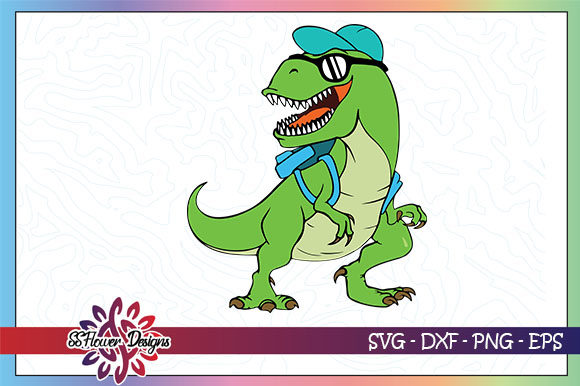
The Back to School T‑rex set is a collection of digital illustrations featuring a cheerful T‑rex dinosaur in school‑related scenes – think a dinosaur holding a pencil, wearing glasses, or sitting at a desk. The designs are provided in multiple editable file formats: SVG, PNG (300 PPI high quality), DXF, and EPS. This range of formats means the files can be used across different cutting and design software platforms, including Cricut Design Space, Silhouette Studio, Sure Cuts A Lot, Canvas, and many others. All files are compressed in a WinZip archive, so you receive one package that contains every format for the design shown in the product photo. The files do not include watermarks.
Because the designs are digital, they function as raw material for a wide variety of physical outputs. You might cut the design from vinyl to iron onto a T‑shirt, apply it to a glass pane, or convert it into an embroidery pattern for fabric. The flexibility of the file formats makes this possible without needing to recreate the artwork from scratch.
Where Back to School T‑rex Fits in a Broader Process
Whether you are planning a classroom makeover, launching a small batch of custom products, or organizing a family craft session, the Back to School T‑rex design can be integrated at several stages of your workflow.
Before the Project: Preparation and Sourcing
During the planning phase, having a high‑quality digital asset saves you time. Instead of illustrating or commissioning a custom design, you can select a ready‑made T‑rex graphic that aligns with your theme. Because the files come in both vector (SVG, DXF, EPS) and raster (PNG) formats, you can preview the design in any image viewer or browser before importing it into your cutting software. This early compatibility check ensures that the design will scale correctly and that the line art is suitable for your intended material.
For educators planning bulletin boards or classroom labels, the PNG file can be inserted directly into Word, PowerPoint, or Canva documents for quick printing. Small business owners can open the SVG in Adobe Illustrator or Inkscape to adjust colors or add text before production. The key benefit here is that one purchase gives you multiple format options, so you are not locked into a single software ecosystem.
During the Project: Cutting, Printing, and Embellishing
Once you have selected your material – adhesive vinyl, iron‑on transfer, cardstock, or fabric – the cutting process is where the file formats do the heavy lifting. If you are using a Cricut, you will likely import the SVG file directly into Design Space. The vector paths are clean, so the machine follows the outlines accurately. For Silhouette Studio users, the DXF or SVG format works similarly. The EPS file is useful for professional graphic designers who work with vector editing tools before exporting to a cutting machine.
The 300 PPI PNG file serves a different purpose. If you are printing the design on paper or printable fabric, the high resolution ensures that the edges of the T‑rex image remain sharp. This is especially important when the design will be used as a sticker, a card front, or a classroom handout where print quality matters.
Embroidery workflows also benefit from these files. While the SVG and DXF are not native embroidery formats, they can be imported into embroidery digitizing software (such as Wilcom or Hatch) where you convert the vector paths into stitch patterns. Starting from a clean vector outline reduces the time spent cleaning up scanned artwork.
After the Project: Repurposing and Inventory
Digital files are reusable indefinitely. Once you have used the Back to School T‑rex for one project, the same file can be resized, recolored, or combined with other designs for future uses. This is particularly valuable for educators who repeat themes each year or for sellers who offer custom products. You can also archive the files in a structured folder system, keeping the original ZIP archive and an unzipped copy in a dedicated design library. Because the files are watermarked upon purchase but delivered without watermarks, you have full rights to use the design for personal or commercial projects (always check the specific license terms provided by the seller).
Practical Implementation Tips
To get the most out of the Back to School T‑rex set, consider the following workflow considerations:
- Unzipping the files: After download, you will receive a ZIP file. Extract it using built‑in OS tools or software like WinZip. Do not attempt to open the SVG or DXF directly from inside the compressed folder – your cutting software may not recognize the file path. Unzip to a dedicated project folder first.
- Software compatibility: The SVG and DXF formats work best with cutting machines. If you are using Cricut Design Space, upload the SVG directly. For Silhouette Studio, the DXF often imports cleaner because the software maps line types more reliably. The EPS file is ideal for Adobe Illustrator or CorelDraw.
- Scaling and alteration: The quality of vector files (SVG, DXF, EPS) is resolution‑independent, so you can scale the T‑rex up to poster size without pixelation. However, once you alter the design – for example, by welding letters or adding layers – the modified result may not retain the same clean lines if you do not use appropriate tools. The product note states there is no guarantee of quality after editing or converting, so always keep a copy of the original file before making changes.
- Material selection: For iron‑on vinyl, choose a design with moderate line detail. The T‑rex illustration typically has simple, bold shapes that weed well. For glass etching or window clings, the SVG format provides the clean contours needed for stencil cutting.
- Testing before production: Run a small test cut on scrap material to check that the cut lines are properly aligned and that the size is appropriate. This is especially important when you are using the file for the first time or if you have resized the design significantly.
For the Classroom Teacher
A third‑grade teacher preparing for the new school year might want to create matching name tags, bulletin board borders, and a “Welcome Back” banner with a dinosaur theme. Using the Back to School T‑rex PNG file, she can insert the image into a document, add text boxes with each student’s name, and print on cardstock. The same design in SVG can be cut from vinyl to create a permanent wall decal for the reading corner. Because the files are digital, she can reuse the same artwork for multiple items without needing to design from scratch each time. The high resolution PNG ensures that printed materials look professional, even if printed on a standard school printer.
For the Small Business Owner
A seller on Etsy or at local markets can use the Back to School T‑rex design to create a small product line: iron‑on T‑shirts, tote bags, and pencil cases. The SVG file is imported into Cricut Design Space, where the design is sized for youth shirts and layered with a school year number. Because the vector file is clean, weeding the vinyl is efficient, reducing production time. The same SVG can be used to cut stencils for screen printing, and the EPS file can be given to a professional printer for larger runs. The business owner benefits from the file’s scalability – a single design can be produced in multiple sizes without purchasing new artwork.
For the Freelance Graphic Designer
If you are hired to create a school‑themed promotional kit for a daycare center, the Back to School T‑rex EPS file gives you a professional starting point. You can open the EPS in Adobe Illustrator, adjust colors to match the client’s brand palette, and combine the T‑rex with other elements such as books, apples, and a chalkboard background. The vector format ensures that the final files are print‑ready at any size. Because the original illustration is already well‑constructed, you save hours of drawing time and can focus on composition and typography.
Quality Control and Long‑Term Use
Maintaining consistency across multiple projects requires a few simple habits. First, always store the original unedited file in a location separate from your working files. This allows you to revert if an edit goes wrong. Second, when using the design on different materials, note the size and cutting settings that worked best – for example, “iron‑on vinyl, size 4 inches tall, Cricut pressure default” – so you can reproduce results efficiently. Third, because the product does not guarantee quality after conversion, avoid repeatedly exporting between formats unless necessary. If you need the SVG for Cricut and the EPS for print, work from the original vector file rather than converting a converted file.
From a durability standpoint, digital files do not degrade over time. The Back to School T‑rex designs will be just as usable years later, provided you back up your files. This makes the purchase a long‑term asset rather than a one‑time consumable. If you teach the same grade for several years, you can reuse the design each fall with minor updates.
Factors to Consider for Smooth Integration
- Software version: Older versions of cutting software may not fully support the latest SVG specifications. If you are using an older program, the DXF format is often more reliably imported.
- File organization: Because you receive one file per design (with all formats bundled in a ZIP), name the folder clearly with the theme and date. This helps when you build a library of similar school‑themed assets.
- Color matching: The PNG and preview images are for reference only. Each cutting software interprets color slightly differently. If exact color matching is critical, use the vector format and assign specific hex codes or Pantone values.
- Weed complexity: The T‑rex design likely has internal spaces (such as eyes or between the dinosaur’s legs). These can be weeded out or left as negative space depending on your material. Layer the design on a contrasting background to make the internal cuts visually consistent.
Final Thoughts
The Back to School T‑rex design set is more than a cute graphic – it is a practical tool that fits into real workflows for teachers, makers, and business owners. By providing editable files in SVG, PNG, DXF, and EPS formats, the product allows you to choose the right format for your specific stage of production, whether you are printing, cutting, or embroidering. With careful preparation, testing, and organization, you can integrate this dinosaur into projects that are both efficient and visually engaging. The key is to treat the digital file as a reusable component in your larger creative or professional system, not just as a one‑off download.