How a School Bag Mockup I Back to School Elevates Your Creative and Commercial Work
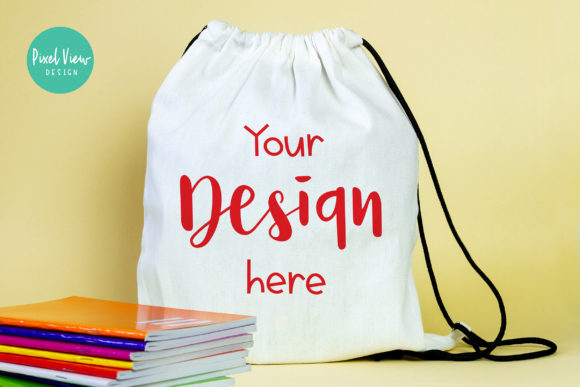
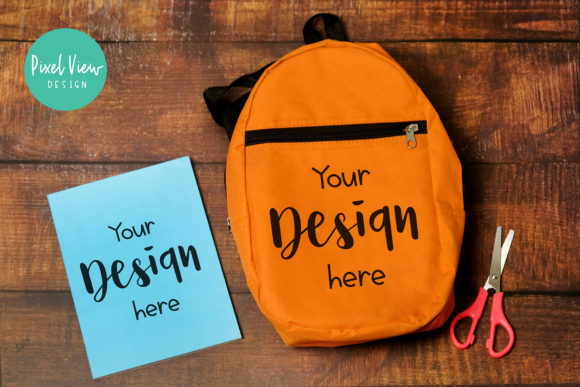
In the crowded digital marketplace, the difference between a product that sells and one that gets scrolled past often comes down to presentation. Whether you are a freelance designer delivering a branding concept, an Etsy seller launching a new line of embroidered patches, or a content creator planning a seasonal campaign, you understand that context is everything. The School Bag Mockup I Back to School from PIXEL VIEW DESIGN offers a precise, high-quality canvas for showcasing artwork, text, or SVG designs on a tangible object that resonates deeply with audiences. This article explores the practical value of this mockup, why it captures attention, and how it fits into larger shifts in visual commerce, personal branding, and the creator economy.
Mockups have evolved from simple presentation tools into essential components of a professional workflow. They bridge the gap between concept and reality, allowing customers to visualize a finished product without the expense of physical sampling. The School Bag Mockup I Back to School is a prime example of this evolution. It is a high-resolution, 300 dpi JPEG file (3600 x 2400 px, RGB) delivered in a ZIP folder, designed specifically for overlaying your own designs using Adobe Photoshop or a similar photo editing program. While the mockup itself is not editable, its clean composition and realistic lighting make it ideal for inserting your artwork with minimal effort. This approach saves time, reduces waste, and enables rapid iteration, which is especially valuable during high-demand periods like the back-to-school season.
Let us examine why this particular product is gaining traction among professionals, creators, and entrepreneurs, and what it reveals about the broader landscape of visual marketing.
Why a School Bag Mockup Matters Right Now
The back-to-school period is one of the most significant retail events of the year, spanning categories from stationery and apparel to accessories and technology. For independent sellers and small brands, competing during this window requires more than just a good product; it demands compelling imagery that speaks to the emotions of the season—anticipation, preparation, and fresh starts. A school bag is a universal symbol of this transition, making it a powerful canvas for thematic designs.
Audiences are increasingly drawn to authentic, lifestyle-oriented visuals. A flat lay of a backpack on a desk, with subtle lighting and natural shadows, conveys a sense of real-world use that a plain white background cannot achieve. The School Bag Mockup I Back to School provides exactly this contextual richness. It allows you to place your design onto a product that people immediately recognize and associate with daily routines, learning, and productivity. This contextual relevance is why marketers and designers are paying closer attention to mockups that tell a story, rather than merely displaying a product.
Moreover, the shift toward digital-first commerce means that visual assets are often the first—and sometimes only—point of contact a potential customer has with your offering. High-quality mockups help establish trust, reduce perceived risk, and convey a level of professionalism that sets you apart from competitors using generic or low-resolution imagery. The PIXEL VIEW DESIGN mockup meets this need with its 300 dpi resolution and generous 3600 x 2400 px dimensions, giving you ample flexibility for print, web, or social media use.
Understanding the Creative Workflow: How the Mockup Fits In
If you have ever tried to photograph a physical backpack with custom artwork, you know the challenges: inconsistent lighting, fabric wrinkles, time spent setting up and breaking down, and the cost of producing multiple samples. Digital mockups eliminate these obstacles entirely. The School Bag Mockup I Back to School is designed for a simple, repeatable workflow. You open the JPEG in Adobe Photoshop, use the appropriate layer or masking technique to place your design (whether it is a logo, text, pattern, or SVG file), and adjust the blend mode or opacity as needed. The result is a photorealistic composite that you can use in product listings, promotional graphics, portfolio presentations, or social media content.
This workflow is especially valuable for:
- Designers and agencies who need to present multiple concepts to clients quickly. Instead of rendering 3D models or arranging photoshoots, you can produce a series of mockups in minutes, allowing for faster feedback and iteration cycles.
- Etsy and Shopify sellers who want to test different design variations on a single product format. If you sell customized backpacks, totes, or school bags, you can generate images for each variant without holding inventory.
- Content creators and bloggers who curate back-to-school themed content. A well-styled mockup can anchor a blog post about organization tips, favorite supplies, or seasonal trends, adding visual interest that keeps readers engaged.
- Print-on-demand entrepreneurs who rely on fast turnaround and low upfront costs. Mockups allow you to list products immediately after designing, building your storefront while you wait for samples or production runs.
One practical observation: many users find that the best results come when they treat the mockup not just as a placeholder, but as a storytelling tool. For instance, if you are promoting a line of eco-friendly school bags, you might pair the mockup with copy about sustainability, durability, and thoughtful design. The image reinforces the message, and the message gives the image deeper meaning. This synergy is what transforms a simple product shot into a persuasive marketing asset.
Broader Trends: Visual Commerce and the Creator Economy
The popularity of mockups like the School Bag Mockup I Back to School reflects larger developments in how people buy and sell online. One of the most significant is the rise of "visual commerce"—the use of high-quality, context-rich imagery to drive purchase decisions. According to multiple studies, consumers rank product images as the most important factor in their online buying choices, even ahead of descriptions or reviews. This places an enormous premium on visuals that are both accurate and evocative.
At the same time, the creator economy has democratized design and entrepreneurship. Individuals with no formal training can now launch a brand, create merchandise, and reach a global audience through platforms like Etsy, Redbubble, and Shopify. This shift has increased demand for professional-grade tools that are accessible to non-experts. Mockups are a perfect example: they compress a traditionally expensive and time-consuming process into a downloadable file that anyone can use with basic software skills.
Another relevant trend is the emphasis on personalization and limited-edition drops. Consumers increasingly expect products that feel unique or tailored to their identity. A school bag decorated with a custom monogram, favorite quote, or original illustration taps into this desire. The PIXEL VIEW DESIGN mockup enables creators to visualize these personalized items without committing to large minimum orders, making it feasible to test niche designs and gauge demand before scaling production.
Furthermore, the remote and hybrid work environment has blurred the lines between professional and personal life. Many freelancers, marketers, and entrepreneurs now operate from home, relying on digital assets to maintain a polished brand presence. A clean, well-composed mockup can be the centerpiece of a pitch deck, a social media post, or a product launch email. It signals that you take your work seriously, even if your "studio" is a corner of your living room.
Practical Tips for Getting the Most Out of This Mockup
To maximize the value of the School Bag Mockup I Back to School, consider the following approaches based on real-world usage patterns:
- Start with high-resolution artwork. Because the mockup itself is 300 dpi and 3600 x 2400 px, your overlay should match that quality to avoid pixelation. Vector files (such as EPS or AI) work best, but high-resolution PNG images are also effective.
- Pay attention to lighting and shadows. The mockup includes realistic lighting that gives the bag volume and depth. When positioning your design, use Photoshop's blending modes (Multiply, Overlay, or Screen) and adjust the opacity so that your artwork interacts naturally with the fabric texture and folds.
- Consider the bag's surface. School bags often have curved fronts, zippers, pockets, and seams. For a convincing result, apply your design to a flat area of the bag and use the transform tools (Distort or Warp) to follow the bag's contours. A little time spent on alignment pays off in realism.
- Use the mockup across multiple channels. Once you have a composite image, resize it for your e-commerce listing (square or vertical), your Instagram feed (1:1), a Pinterest pin (2:3), and a website banner (wide). The high base resolution supports all these crops without losing quality.
- Build a library of variations. If you have multiple colorways, design concepts, or seasonal themes, create a set of mockup images in advance. This library becomes a resource you can draw on for social media scheduling, ads, and email campaigns, saving time during busy periods.
Many experienced users also recommend combining the mockup with lifestyle elements—such as notebooks, pencils, or a laptop—to create a scene. While the School Bag Mockup I Back to School focuses on the bag itself, you can composite additional props in separate layers to tell a richer story. This technique works especially well for blog headers, lookbooks, or Etsy shop banners.
How Changing Expectations Drive the Need for Better Mockups
Consumer expectations have shifted dramatically in the past decade. Shoppers today are visually literate; they have been trained by high-end brands and social media to expect polished, aspirational imagery. A blurry or poorly composed product photo can undermine trust and deter clicks, even if the underlying product is excellent. This is especially true for items that are inherently personal or style-driven, like bags, apparel, and accessories.
Additionally, the speed of online commerce demands efficiency. Small business owners and freelancers often wear multiple hats—designer, marketer, customer service representative, and accountant. Tools that compress weeks of work into hours are not just convenient; they are essential for survival. The PIXEL VIEW DESIGN mockup addresses this need by providing a plug-and-play solution that requires no photography equipment, no model release, and no studio rental. It meets the modern expectation of "good enough to sell, fast enough to scale."
Another factor is the growing importance of inclusivity and representation. Back-to-school imagery often features generic stock photography that may not reflect diverse families, styles, or backgrounds. By creating your own mockup composites with your own designs, you have the freedom to represent your audience authentically. You can choose to feature your product in a context that resonates with your specific community, whether that is a minimalist aesthetic, a vibrant pattern, or a culturally meaningful motif.
Connecting the Mockup to Larger Developments in Design and Technology
The School Bag Mockup I Back to School is part of a broader ecosystem of digital tools that are reshaping the creative industries. The rise of no-code and low-code platforms, AI-assisted design software, and cloud-based collaboration has lowered the barriers to producing professional visual content. Mockups fit naturally into this ecosystem because they combine high-quality base imagery with the flexibility for customization, without requiring advanced 3D modeling or rendering skills.
From a technological perspective, the mockup's 300 dpi resolution and RGB color space make it suitable for both screen display and print. This dual-purpose capability reflects a market reality where successful products often need to appear on a phone screen, a website, and a physical tag or label. Having a single asset that works across these contexts simplifies file management and ensures consistency in color and detail.
Furthermore, the delivery format—JPEG inside a ZIP folder—remains a standard for ease of use. It is compatible with virtually every operating system and photo editing application, and it avoids the compatibility issues that sometimes arise with proprietary or cloud-only formats. This reliability is a subtle but important feature for professionals who need to deliver work to clients on deadline.
Looking at the broader creative landscape, the demand for mockups is unlikely to wane. As more commerce moves online and as visual platforms like Instagram, TikTok, and Pinterest continue to drive discovery and sales, the ability to generate compelling product imagery quickly will remain a competitive advantage. The School Bag Mockup I Back to School occupies a specific niche within this environment—seasonal, contextual, and highly versatile—making it a valuable addition to any creator's toolkit.
Final Thoughts
Whether you are launching a limited-edition back-to-school collection, refreshing your portfolio with seasonal work, or simply looking for a reliable way to present your designs, the School Bag Mockup I Back to School from PIXEL VIEW DESIGN offers a practical, high-quality solution. It reflects the broader movement toward visual commerce, personalization, and efficient digital workflows that define today's creative economy. By understanding not just what the product is, but how it fits into your process and your audience's expectations, you can use it to elevate your work, save time, and connect more effectively with the people you serve.
In a world where first impressions happen in fractions of a second, having a compelling image can be the difference between a click and a scroll. A well-executed mockup is more than a picture; it is a promise of quality, a demonstration of craftsmanship, and an invitation to imagine a product as part of someone's life. The School Bag Mockup I Back to School gives you the canvas—the art is up to you.