Back to School Doodle Board Art: A Playful Typeface with Serious Design Potential
There’s a certain energy that comes with the back-to-school season—a blend of fresh starts, creative anticipation, and the kind of playful chaos that only a classroom full of new supplies can bring. That same spirit lives inside Back to School Doodle Board Art, a handwritten display font that captures the unfiltered charm of chalk scribbles, marker doodles, and the spontaneous creativity we all remember from childhood. But don’t let the whimsical exterior fool you. This typeface offers real utility for designers, marketers, publishers, and content creators who need a visual voice that feels approachable, human, and anything but corporate.
Visual Personality and Style
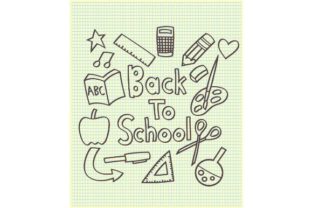
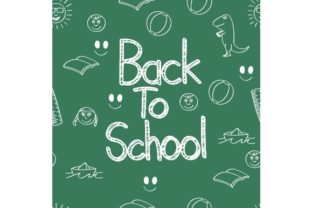
Back to School Doodle Board Art belongs to that sweet spot where handwritten fonts meet deliberate design. Its characters carry irregular stroke weights, slightly uneven baselines, and the kind of organic imperfections that make digital typography feel tactile. The letterforms echo what you might produce with a dry-erase marker on a whiteboard or a piece of chalk on a slate—except every curve, loop, and tail has been refined for legibility and consistency. This isn’t a font that tries to be pristine. It embraces the rough edges, the playful ascenders, and the occasional ink-like flourish that gives each word a handcrafted quality.
The overall personality leans energetic and nostalgic without tipping into juvenile territory. There’s a warmth here that feels appropriate for everything from classroom bulletin boards to lifestyle blogs, product packaging aimed at young families, or social media campaigns centered on learning, growth, and creativity. The visual character sits somewhere between a script font and a handwritten font, but its bold, confident strokes give it a presence that also works well as a standalone display element.
Where the Font Shines in Real Projects
The real strength of Back to School Doodle Board Art lies in its versatility across project types. If you’re working on logo design for a tutoring center, a children’s bookstore, a craft subscription box, or an educational app, this typeface brings immediate personality. It signals that your brand doesn’t take itself too seriously—but still cares deeply about how it communicates. I’ve seen similar handwritten display fonts transform a basic logo from forgettable to instantly recognizable, and this one has the same potential.
In editorial design, it works beautifully for pull quotes, chapter headings, or sidebars in magazines and newsletters aimed at educators or parents. Pair it with a clean sans serif font for body copy, and you get a visual hierarchy that feels dynamic without overwhelming the reader. For packaging design, think snack boxes, craft kits, or school supply packaging where you want to evoke a sense of hands-on fun. The font’s chalky, doodled quality adds texture that photography alone can’t always deliver.
Digital applications are just as natural. Web design for educational platforms, children’s content sites, or creative portfolio landing pages benefits from a headline font that feels approachable. Social media graphics—especially for Instagram stories, Pinterest pins, or YouTube thumbnails—gain an instant human touch when your title text looks like it was scribbled with intention. Back to School Doodle Board Art gives you that effect without needing to scan actual handwriting or spend hours vectorizing your own sketches.
Beyond the Classroom: Unexpected Uses
What I find interesting is how this font performs outside its obvious niche. I’ve seen similar handwritten display typefaces used effectively in coffee shop menus, farm-to-table restaurant branding, and even lighthearted corporate internal communications where culture and approachability matter. The key is context. Back to School Doodle Board Art can bring warmth to a brand that wants to feel less corporate and more human—regardless of the industry. A real estate agent marketing to first-time homebuyers, a wellness coach launching a journaling course, or a small business owner promoting a local workshop could all use this typeface to signal authenticity and relatability.
Influencing Readability, Hierarchy, and Brand Perception
Let’s address the elephant in the room: handwritten display fonts are not for body text. But their real contribution to a design project goes far beyond simple legibility. Back to School Doodle Board Art creates an immediate visual anchor. When used for headlines, subheads, or featured callouts, it establishes a visual hierarchy that guides the reader’s eye naturally. The irregular shapes and varying stroke widths act like visual punctuation—they break up monotony and signal importance without needing additional graphic elements.
From a brand perception standpoint, choosing a font like this communicates a few things right away: you value creativity, you’re not afraid to show personality, and you understand that consistency doesn’t have to mean boring. For businesses targeting parents, educators, or young creatives, this typeface helps build brand recognition by creating a memorable visual signature. Audiences remember how a brand makes them feel, and a warm, playful font can evoke trust and familiarity much faster than a neutral corporate typeface.
But there’s a nuance to manage here. Back to School Doodle Board Art is a display font by nature, so overusing it in a layout can actually hurt readability. The key is restraint. Use it as the hero voice in your design system—the headline that grabs attention, the quote that stops the scroll, the product name that lingers. Then let a clean serif font or sans serif font handle the heavy lifting of paragraphs and details. That contrast is where the magic happens.
Practical Guidance for Evaluation and Selection
Before you commit Back to School Doodle Board Art to a project, take it through a structured evaluation. Start by testing the font at various sizes—both large and small. A strong display font should read clearly at 72 points for a poster headline, but also hold together at 24 points for a subheading or button label. Pay attention to how the irregular strokes behave. Some handwritten fonts break apart or look sloppy when scaled down, so this test matters.
Next, review the included styles. Does the commercial font package offer alternate characters, ligatures, or multiple weights? The best handwritten display fonts give you options—maybe a regular weight for headlines and a bolder variant for emphasis. If Back to School Doodle Board Art includes stylistic alternates or swashes, you can add even more personality without cluttering the design.
Font pairing is where many designers get stuck. My recommendation is to test the font against three common companions: a neutral sans serif (like Montserrat or Open Sans), a clean serif (like Lora or Playfair Display), and a simple geometric sans serif (like Raleway or Futura). Each pairing will change the overall tone. The sans serif combination feels modern and clean; the serif pairing adds contrast and a touch of sophistication; the geometric option leans minimal and structured. Your choice depends on the project’s audience and goals.
Readability considerations also extend to color and background. Back to School Doodle Board Art tends to perform best on light or textured backgrounds that mimic paper or chalkboard surfaces. Dark backgrounds can work, but make sure the stroke weight remains visible—thin handwritten fonts often get lost on dark backgrounds. Also, avoid placing the font over busy imagery without a clear contrast layer behind it. The organic shape of the letters needs room to breathe.
Finally, check the commercial licensing carefully. If you’re designing for a client, using the font in a logo, or incorporating it into product packaging, ensure the license covers commercial use. Some premium font foundries include standard desktop licenses with web font options, but others require separate licenses for app embedding or broadcast. This is one of those details that can come back to bite you during a brand launch, so verify it upfront.
A Note on Longevity and Trends
Handwritten display fonts have enjoyed strong popularity for the better part of a decade, and Back to School Doodle Board Art rides that wave without feeling like a trend-follower. Its aesthetic roots in classroom doodling and chalkboard art give it a timeless quality that feels more like a classic creative font than a fleeting design asset. If you invest in this typeface for your brand toolkit, it will age gracefully as long as you pair it with complementary modern typography that grounds it. Avoid surrounding it with overly trendy graphic elements—stick with clean layouts, natural textures, and honest photography to let the font’s personality lead.
Final Recommendations
If you’re a designer or brand strategist looking for a typeface that brings warmth, nostalgia, and immediate personality to your work, Back to School Doodle Board Art is worth a close look. Test it on a headline for a classroom resource guide, a social media campaign about learning at home, or the packaging for a creative subscription box. See how it performs when paired with a clean sans serif body font. Let it carry the emotional weight of your message while your supporting type provides structure. That balance—between playful spontaneity and deliberate design—is what makes this font a practical addition to any design assets library.
Ultimately, the best typefaces are the ones that disappear into the message they carry. Back to School Doodle Board Art has that rare ability to feel like it was always meant to be there—like someone scribbled the perfect headline on a chalkboard just for your project. And in a world full of polished, predictable typography, that honest, human quality is exactly what many brands need to stand out and connect.